
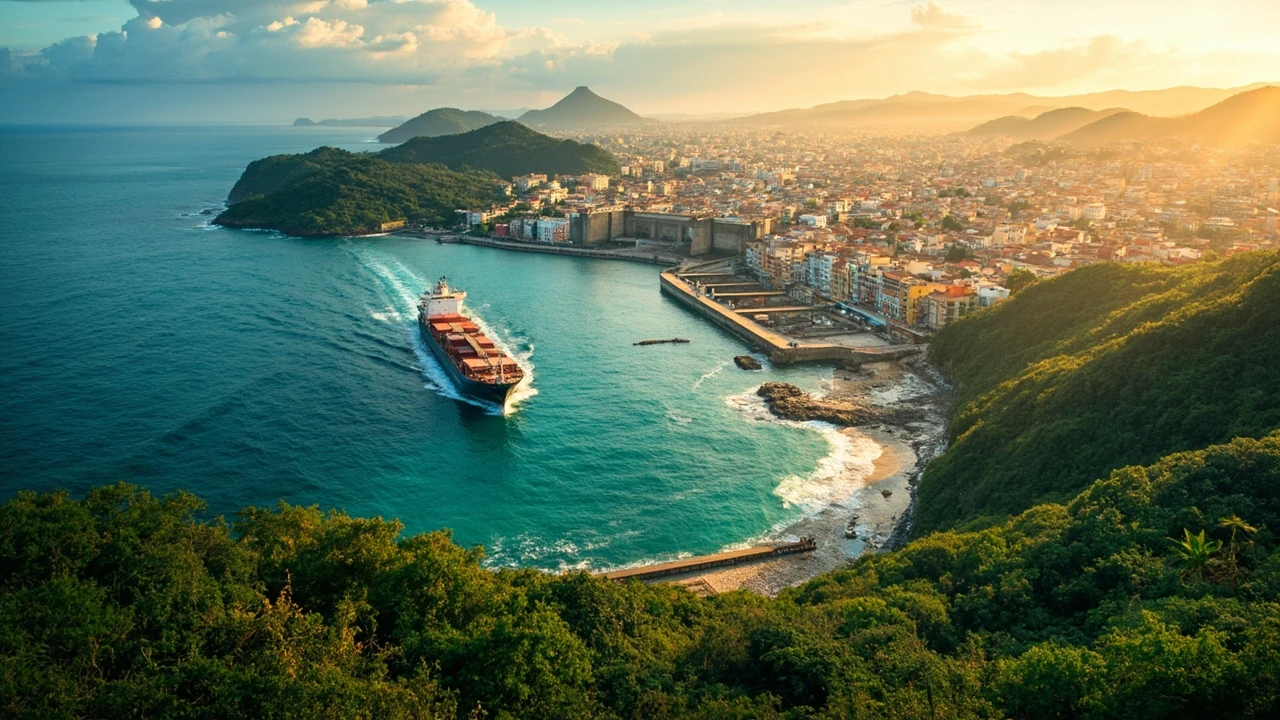
Panama landmarks: the essential guide to choosing and planning your visit
A first visit to Panama can feel unexpectedly complicated because the country’s best-known sights are spread across the capital, the Caribbean coast, the Pacific coast, and the canal corridor. Choosing incorrectly can add hours to a day, duplicate scenery, or leave a visitor with little time to understand the places that matter most. The best approach is to separate Panama’s landmarks into a few clear categories, decide which ones match your interests, and then organize them around realistic travel days.
Panama is small enough that it can feel approachable, but distance, traffic, and terrain matter more than the mileage suggests. Panama City contains the greatest concentration of major attractions, including Casco Viejo, modern skyscrapers, museums, and the best viewpoints over the canal. Elsewhere, Portobelo and Fort San Lorenzo require a dedicated excursion from the city, while Bocas del Toro, Guna Yala, and Coiba National Park are island destinations rather than convenient stops on a city itinerary.
This guide covers the landmarks most travelers will want to know about, explains what each place actually offers, and highlights the practical decisions that shape a successful visit. It is designed to help you build a focused trip rather than an exhaustive checklist. Before committing to a specific route, confirm current opening arrangements, ticket requirements, weather conditions, and transportation with the relevant official attraction or local tourism source.
The best-known Panama landmarks and what each one offers
Panama’s signature sights range from historic masonry in the capital to locks large enough to raise oceangoing ships and from sixteenth-century fortifications to coral islands. Their appeal comes partly from the contrast between them: modern Panama City sits beside a colonial district, while the canal depends on a landscape of artificial lakes and tropical forest that is difficult to appreciate from the city alone.
| Landmark | Location | Best for | Time to allow | Planning note |
|---|---|---|---|---|
| Casco Viejo | Panama City | Colonial architecture, restaurants, churches, and street photography | Half a day to a full day | Explore on foot, but expect uneven paving and steep streets. |
| Miraflores Visitor Center | Panama City | Panoramic views of the canal locks | Two to three hours | Reserve a tour if you want a closer look at the lock operation. |
| Biomuseo | Panama City | Rainforest, walking trails, and wildlife displays | Three to five hours | Allow time for humidity, insects, and uneven paths. |
| Amador Causeway | Panama City | Harbor views, cycling, and access to islands by water taxi | Two to four hours | Use licensed water taxis and check the return schedule before departure. |
| Portobelo and Fort San Lorenzo | Colón Province | Spanish colonial history and the canal’s Atlantic entrance | A full-day excursion | Combining it with Panama City requires a long, early departure. |
| San Blas Islands | Guna Yala | Island scenery and Guna culture | At least two to three days | Travel time and island transfers can consume much of a short trip. |
| Islands of Bocas del Toro | Caribbean Province | Beaches, reef scenery, and water activities | Three days or longer | Choose a stay on the islands rather than a hurried day visit. |
Not every famous place deserves equal time in a short itinerary. A visitor with one day in Panama City might divide it between Casco Viejo, the canal viewpoint, and Biomuseo. A traveler staying for a week could add Portobelo and choose between the Caribbean and Pacific coasts. Someone interested primarily in history may prefer Casco Viejo, Fort San Lorenzo, and the old quarters of Colón, while a nature-focused visitor may be better served by forest trails, islands, and protected marine areas.
The most useful landmark shortlist is therefore personal rather than universal. Consider these questions before booking:
- How many nights do you have in Panama, and how many can you spend away from Panama City?
- Do you prefer city streets and museums, outdoor scenery, shopping, or historical sites?
- Will you be traveling with children, older adults, or anyone who may be limited by long walks, heat, or boat transfers?
- Do you need to remain in Panama City because of a flight, cruise, work schedule, or hotel booking?
- Is the Panama Canal the main reason for the trip, or is it just one stop among several?
Panama City landmarks: what to see in Casco Viejo and the modern capital
Casco Viejo is the historic center of Panama City and the easiest place to begin understanding the country’s layered history. Its streets, churches, balconies, courtyards, and restored buildings sit only a few kilometers from neighborhoods associated with skyscrapers, malls, and contemporary public art. Walking across that divide shows why many descriptions of the capital emphasize contrast rather than choosing one identity.
The most compelling area for a first visit is the historic core around Plaza Herrera, where the cathedral, the presidential palace, and nearby religious and civic buildings form a compact ensemble. From the plaza, continue on foot through side streets and small passages where the architecture varies from worn colonial facades to carefully restored buildings. The ruins of the convents of San Francisco and Santo Domingo add another historical layer, although these should be understood as active religious sites rather than simply treated as abandoned museums.
Casco Viejo is best experienced without a rigid checklist. Early mornings are quieter and provide better light for photography, while late afternoon is useful for restaurants and waterfront views. The terrain is not flat: hills, high steps, broken pavement, and narrow passages can make a short route feel longer than expected. Wear supportive shoes and expect warm, humid conditions.
Outside the colonial district, the modern capital provides a very different set of landmarks. The skyline along the bay reflects the country’s economic growth, while nearby parks and cultural attractions offer a break from traffic and concrete. The city also works well for travelers who want to combine sightseeing with restaurants, shopping, or a cruise stop. Staying near the waterfront can reduce transfer times, but it may place you farther from the quieter residential areas and Casco Viejo’s evening atmosphere.
A practical city plan is to begin in Casco Viejo, stop for lunch, continue to a canal viewpoint, and finish near the waterfront or at Biomuseo. If you have another day, use it for the Causeway and a canal tour rather than trying to extend the first day’s walking route until exhaustion.
Panama Canal landmarks: Miraflores, Pedro Miguel, and the wider canal system
The Panama Canal is the landmark that most travelers recognize, but a useful visit involves more than standing beside a railing near the locks. The Miraflores Visitor Center provides elevated views over the locks, adjacent chambers, and the ships moving through the facility. From this perspective, the scale of the engineering becomes easier to understand: vessels are raised or lowered through a carefully managed process that depends on water levels and the operation of gates and chambers.
Visitors can choose between watching the locks from the visitor center and joining a permitted tour that provides closer access to the operating area. Tour formats and access can change, so travelers should book through an authorized operator and verify what the ticket includes before visiting. It is also worth recognizing that the canal is active infrastructure rather than a static display. Rules about photography, movement, clothing, and proximity to operating equipment are there for safety and security.
The locks are part of a much larger system that includes Gatun Lake, artificial lakes, dams, railways, and water-management works. That wider landscape explains why the canal cannot be understood only from a single viewpoint. The official history and engineering of the waterway provides useful background for travelers who want to connect the dramatic lock chambers with the geography behind them.
Weather and water availability can affect canal operations and the experience of watching ships. A For additional context, BBC report on climate pressures facing the Panama Canal explains how changing rainfall affects the artificial lakes and raises operational challenges during dry periods, while heavy storms can create different management problems.
For most visitors, Miraflores is the most accessible and rewarding first stop. Pedro Miguel lies farther west and may be added to a tour that covers more of the route, but traveling between canal sites consumes valuable time. One well-chosen canal experience is better than trying to see several viewpoints at the expense of the rest of the day.
| Canal experience | What you can observe | Who it suits | Main limitation |
|---|---|---|---|
| Visitor-center viewpoint | Elevated views of lock chambers, gates, locomotives, and passing ships | Independent travelers and short visits | You remain at a distance from the machinery. |
| Permitted observer tour | A closer, guided view of canal operations | Visitors wanting engineering context | Advance booking and operating restrictions may apply. |
| Extended canal itinerary | Additional locks, facilities, and surrounding landscape | Travelers with a full day and strong interest in the canal | Longer transit and a more demanding schedule. |
| Panama Canal Railway passage | Travel across the isthmus associated with the canal | History and transportation enthusiasts | Availability must be confirmed directly and may be limited. |
Historic landmarks beyond the capital: Portobelo, Fort San Lorenzo, and Colón
Portobelo is the strongest historical landmark choice for travelers leaving Panama City. For additional context, Its compact historic center preserves streets, fortifications, and colonial-era structures associated with the transisthmian route used before the canal opened. Fort San Lorenzo stands at the entrance to the harbor overlooking the approach to the canal. Together, they explain the strategic geography that made the isthmus so important to movement between the Atlantic and Pacific.
Portobelo can be reached by organized excursion, guided tour, or private transport. The route may include Panama City’s Causeway, the canal region, and the Atlantic-side town of Colón. Because this is a long excursion, the day begins early and offers limited flexibility if weather, traffic, or a rough sea crossing causes delays.
Visitors should distinguish the historic port from the modern harbor and canal facilities at Colón. They are related geographically and historically, but they serve different purposes. Portobelo is primarily a heritage destination. Colón is a working port city and the location of the Atlantic entrance to the canal. A traveler interested in photography may find the contrast between old fortifications and modern shipping especially striking.
Fort San Lorenzo is partly exposed to coastal weather, so visitors should bring sun protection and expect surfaces that may be uneven or slippery. At Portobelo, walking is the best way to absorb the relationship between the fort, town, and harbor. A rushed photo stop reveals less than a few hours spent walking between the principal structures and observing the setting.
Do not treat Portobelo as an easy evening addition to Panama City. The road journey, return traffic, and need to enter the historic site during its operating period make a full day the sensible choice. If the excursion price is high, evaluate what is included: transport, guide fees, attraction entries, meals, and any optional stops can make two superficially similar packages meaningfully different.
Natural landmarks: rainforest, rivers, islands, and marine wildlife
Panama’s natural landmarks are among its strongest reasons to travel beyond the capital, but they require more time than a city stop. The country includes rainforest on both coasts, Caribbean beaches, Pacific islands, mangroves, coral reefs, and protected areas such as Coiba National Park. These places should not be treated as interchangeable scenery. Each rewards a different activity and carries different access conditions.
Biomuseo, located within the Amador Causeway area, is the easiest natural landmark to combine with Panama City. Its elevated walkways and forest trails offer a manageable introduction to the country’s rainforest ecosystems. Visitors can encounter native plant and animal life without committing to a remote destination. The combination is particularly useful for families, although insect protection and comfortable shoes are important.
Bocas del Toro is primarily an island destination. Its appeal lies in beaches, coral formations, mangroves, and varied water activities rather than monumental architecture. A trip that begins with a flight or boat transfer and ends with a return to Panama City the same day sacrifices much of the relaxed character that makes the islands worthwhile.
Guna Yala provides a very different experience. San Blas islands are known for beaches and a distinctive cultural setting associated with the Guna people. Travel routes and accommodations are structured around boat transfers and island stays, making advance planning essential. Cultural respect is not optional: visitors should follow local guidance, ask before photographing people, and understand that access to communities and private land is controlled locally.
Coiba National Park lies off the Pacific coast and is recognized for its marine wildlife, including whales, dolphins, reef fish, and hammerhead sharks. Diving and snorkeling are major reasons to visit, but conditions vary with seasons, currents, and marine activity. The island also supports a small resident community, and visitor rules should be followed carefully.
- For a short Panama City visit: choose Biomuseo and the Causeway for manageable nature exposure.
- For beaches and water activities: stay at least three nights in Bocas del Toro.
- For culture and remote islands: plan a longer San Blas route with local operators.
- For marine wildlife and diving: research Coiba around the right season and confirm trip availability.
- For serious wildlife viewing: consider a specialist small-group itinerary rather than a rushed independent route.
How to build a one-week Panama landmarks itinerary
A one-week visit can cover the canal and both coasts, but it must distinguish between short excursions and destination stays. Flights and long road transfers consume time, so seven nights should not be treated as seven full sightseeing days. The most efficient route usually keeps the first and last nights in Panama City and uses the middle of the trip for a single regional destination.
| Day | Suggested focus | Main landmarks | Why the order works |
|---|---|---|---|
| Day 1 | Arrive and settle in | Waterfront or Casco Viejo | A light first day reduces fatigue after a flight. |
| Day 2 | Historic Panama City | Plaza Herrera, Casco Viejo, San Francisco and Santo Domingo ruins | The dense sights are easiest to reach on foot. |
| Day 3 | Canal and rainforest | Miraflores, optional observer tour, Biomuseo | Both attractions are accessible from the city without another flight. |
| Day 4 | Atlantic history | Portobelo and Fort San Lorenzo | A dedicated day avoids the strain of a short Panama City visit. |
| Day 5 | Travel to the coast | Bocas del Toro or Guna Yala transfer | Travel begins before a demanding full itinerary. |
| Day 6 | Island surroundings | Beach, reef, mangroves, or cultural visit | The day stays in the destination rather than adding another flight. |
| Day 7 | Return and final city time | Departure or Causeway | A flexible final day helps absorb disruptions. |
This schedule is a model, not a fixed timetable. A traveler who wants Portobelo and Bocas del Toro may need to drop Biomuseo. A history-focused visitor could replace the island stay with Colón and more time in Casco Viejo. The key is to preserve travel buffers and avoid placing two long transfers on consecutive days.
For travelers comparing regional approaches, the site’s guide to Ecuador famous landmarks offers a useful contrast between a coastal city route and Ecuador’s own mix of historic centers and natural attractions. Similarly, what to know about Guatemala City can help with the practical side of combining urban landmarks with a wider regional journey.
Pack for changing conditions. Panama City is humid and urban; islands can be hot, wet, and breezy; Portobelo is exposed to coastal weather; and a boat journey may feel cooler than expected. Light rain clothing, sun protection, insect repellent, and refillable water bottles are useful across several categories of attraction. Keep footwear that can handle slippery surfaces and significant walking.
When to visit and how to avoid common planning mistakes
The best time to visit depends on the landmarks you want to see. Panama’s tropical climate includes a rainy season, and heavy rain can affect hiking, boats, roads, and outdoor photography. Dry-season conditions are often more convenient for sightseeing, but they can also bring greater demand for accommodation and tours. Weather patterns vary across the country, so a narrow idea of the entire country having one identical climate is misleading.
The first common mistake is trying to see the canal from a distance and assuming that completes the experience. A short viewpoint visit is worthwhile, but an observer tour can explain the lock system more clearly. The second is assuming all Panama City sights fit into one day. Casco Viejo rewards slow walking, while the canal and Biomuseo deserve their own blocks of time.
The third mistake is scheduling Portobelo as a brief stop between city attractions. It is a long excursion with meaningful waiting and travel time. The fourth is treating Bocas del Toro or San Blas as a day trip. Boat schedules, weather, and transfer times make an island stay much more reliable.
Visitors should also separate admission from experience. Some landmarks have formal entry fees or official visitor centers, while others are free urban spaces with no single ticket. Sightseeing vehicles and boat excursions may cost more than the site entry itself. Compare the full itinerary rather than judging a tour by its advertised landmark count.
- Check official attraction and operator channels shortly before each visit, especially for the canal, museums, and boat excursions.
- Carry some cash for small vendors and transport, while confirming whether card payment is accepted.
- Use licensed canal, water-taxi, and island operators rather than relying on an unverified roadside offer.
- Ask about accessibility, walking distance, stairs, and heat exposure when booking a tour.
- Allow time for airport and boat transfers; a schedule that looks efficient on paper may not include waiting and check-in.
- Protect valuables in crowded transport areas and keep phone and camera equipment secure near busy streets and harbors.
Frequently asked questions
What are the best-known Panama landmarks?
The best-known landmarks include Casco Viejo and the cathedral area in Panama City, the Panama Canal locks at Miraflores, Biomuseo, the Amador Causeway, Portobelo, and Fort San Lorenzo. Natural attractions such as the San Blas Islands, Bocas del Toro, and Coiba National Park are also major draws. The strongest choice depends on whether you prioritize history, engineering, wildlife, or time at the beach.
Can you visit the Panama Canal without booking a tour?
Yes. Visitor centers such as Miraflores offer public viewing areas where you can watch the locks from an elevated distance. A permitted observer tour gives you closer access to operational areas and usually provides more explanation. Tour availability and rules can change, so confirm current arrangements directly before booking.
How long should I spend in Casco Viejo?
Allow at least half a day for the main historic streets, Plaza Herrera, the cathedral, the ruins, and a meal. A full day is better if you also want to photograph building details, visit smaller museums, or explore without watching the clock. Wear comfortable shoes because hills, steps, and uneven paving can make the distance greater than it appears.
Is Portobelo worth a day trip from Panama City?
It can be, but the journey is long and usually starts very early. Portobelo and Fort San Lorenzo are most satisfying on a dedicated excursion that gives you several hours at the historic site. Combine the trip with the canal area or Colón if your schedule allows, but avoid placing another demanding attraction immediately afterward.
Can I visit Bocas del Toro as a day trip from Panama City?
It is technically possible, but it is rarely the best use of a day because travel to and from the islands takes substantial time. Staying at least three nights gives you room for beaches, reefs, mangroves, and water activities without turning the entire visit into transportation. The right length also depends on whether you arrive by flight or boat.
What is the difference between Panama City landmarks and Panama’s natural attractions?
Panama City landmarks concentrate colonial architecture, modern skyline views, museums, and the canal in a relatively accessible area. Natural attractions are spread across the country’s coasts and protected areas, often requiring boat transfers or several days. A short trip usually benefits from a city-based mix, while a longer visit can add a regional destination without rushing between every landmark.
Are the Panama Canal locks suitable for children?
They can be an engaging stop for children who enjoy ships, machinery, and large-scale infrastructure. The amount of walking and the length of a tour vary by option, so ask about stairs, heat, and waiting time. Children who become tired may benefit from choosing one strong viewpoint rather than adding several distant stops.
What should I wear when visiting Panama landmarks?
Lightweight clothing suitable for hot, humid weather is generally the best choice. Bring sun protection, rain protection, insect repellent, and comfortable shoes for cobblestones, trails, and uneven historic structures. Waterproof outer layers are useful on boat trips, and a light layer can help on cooler mornings or during exposed coastal excursions.
Do I need to reserve Panama landmark tours in advance?
Advance booking is prudent for canal observer tours, popular island transfers, and excursions to Portobelo, especially during busy travel periods. Walking sites and public viewpoints may not require a timed reservation, but current hours and ticket availability should still be checked. Booking through official channels or established local operators also helps clarify exactly what is included.
What is the most practical way to start planning a Panama landmarks trip?
Begin by fixing the number of nights you can spend in the country, then choose no more than two regional destinations. Build the itinerary around travel days rather than attraction counts, reserve the canal experience and any boat transfer first, and leave a lighter day near departure. Confirm current opening times and operating conditions shortly before travel, then pack for heat, rain, insects, and long walks.
Leave a Reply