
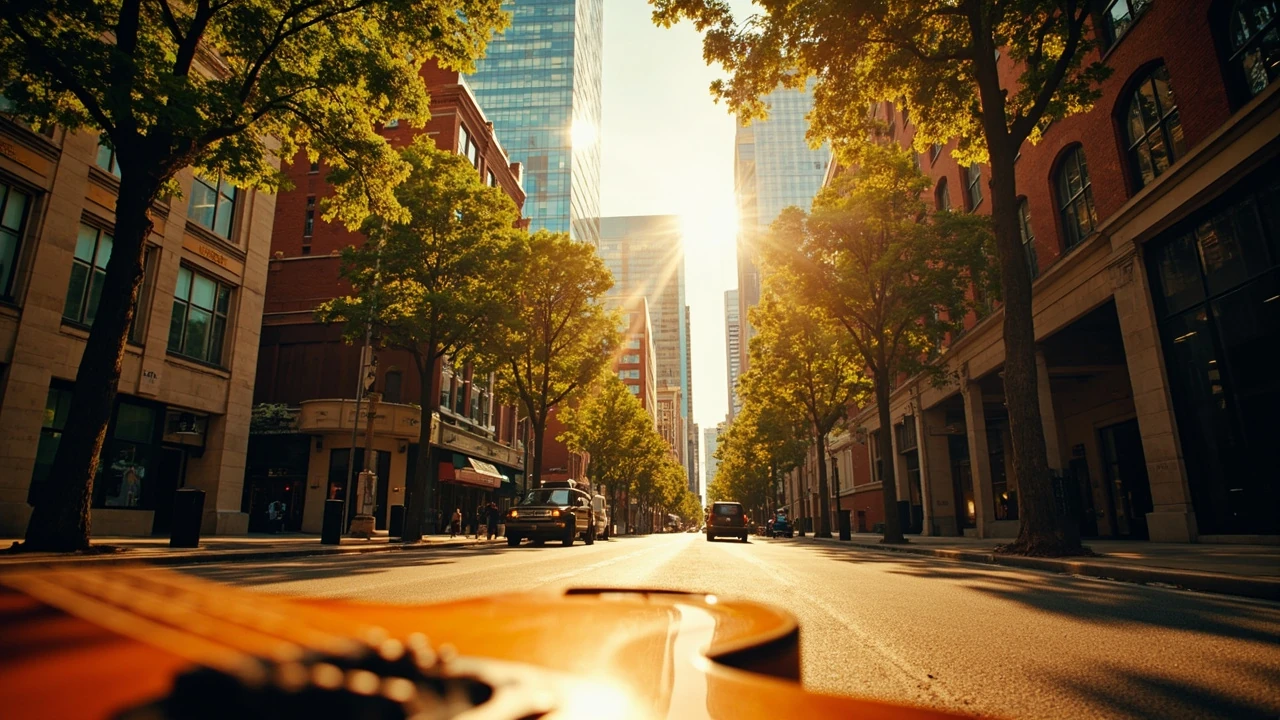
Places to see in Nashville for a first visit
Choosing a place to eat in Nashville can be harder than choosing what to see: the city has enough barbecue joints, hot chicken counters, coffee shops, and live-music rooms to make almost any neighborhood feel like a destination. The best approach is to divide a first trip into a few clear themes. Spend one morning with the major music landmarks, use an afternoon for a museum or two, and save an evening for a stage performance rather than trying to cross the entire city in a single day.
This guide covers the places that reveal Nashville’s different layers. You will find the grand stages associated with country music, museums devoted to African American music and performing-songwriting history, landmark buildings, leafy parks, historic estates, and distinctive districts such as East Nashville, 12 South, The Gulch, and Wedgewood-Houston. It also explains how to group nearby stops and which details to confirm before traveling.
For a broader historical overview, Nashville’s city history and development can help explain why attractions cluster around areas such as downtown, Centennial Park, and the former industrial districts now known for restaurants and music venues.
| Time available | Best focus | Suggested combination |
|---|---|---|
| Half a day | Essential music history | Country Music Hall of Fame, nearby downtown walk, and one live show |
| One full day | Major attractions | Country Music Hall of Fame, Ryman Auditorium, a lunch stop, and an evening performance |
| Two full days | Museums and neighborhoods | Music museums, The Gulch or 12 South, East Nashville dinner, and Centennial Park |
| Three or more days | History, gardens, and local districts | Add Cheekwood, Belle Meade, a WeHo art crawl, and time for spontaneous live music |
That division matters because Nashville’s best attractions are not evenly spread out. Downtown sights can fit into a walking day, while Cheekwood, Belle Meade, and several parks require a car or a planned transit and rideshare trip. A short visit does not require seeing everything; it requires choosing a route that leaves enough time to experience the city rather than merely photograph it.
Start with Nashville’s defining music landmarks
Country music is only the first layer of Nashville’s musical identity. The city developed a major recording industry, songwriting networks, performance circuit, and publishing culture that supports country, bluegrass, blues, gospel, rock, pop, hip-hop, jazz, and other forms of music. The most recognizable attractions explain different parts of that story.
Country Music Hall of Fame and Museum
The Country Music Hall of Fame and Museum is the strongest place to begin. Its exhibits trace the people, instruments, songs, and recording technology behind country music, while the building itself gives visitors a sense of how ambitious Nashville’s cultural institutions can be. Even without a detailed reading of every exhibit, the museum is useful for orientation: it introduces the performers, songwriters, labels, and venues that appear elsewhere across the city.
Allow enough time to explore the galleries rather than treating the visit as a quick photo stop. If music history is your main interest, this should be your first major booking. It also pairs naturally with the Johnny Cash Museum and the nearby downtown historic buildings.
Ryman Auditorium
The Ryman Auditorium is one of the city’s most recognizable performance landmarks. Its history reaches back to a period when the building served as a riverfront gathering place, and its modern identity is closely tied to the Grand Ole Opry. Even without attending a performance, the building gives context to the role of venues in Nashville’s musical life.
Visitors commonly pair the Ryman with nearby Broadway, Second Avenue, and the Country Music Hall of Fame. A guided tour can add useful detail, while an evening performance offers a different kind of experience: the sound and atmosphere of the room rather than a sightseeing visit. Check the venue’s current event calendar and tour arrangements directly, since operating details and performance schedules change.
Johnny Cash Museum and downtown music landmarks
The Johnny Cash Museum focuses on the singer-songwriter’s life and career, making it a compact and specific counterpart to the broader Country Music Hall of Fame. It is particularly useful for visitors who want a focused introduction before exploring the city’s wider music history.
Lower Broadway, better known as Lower Broad, forms a dense entertainment district of honky-tonks, restaurants, shops, and stages. It can be lively in the evening, but the experience depends on what you want: live dancing, a casual drink, a meal, or simply an energetic walk through the neon-lit streets. Music is not the only kind of entertainment in the city, and a visitor does not have to spend the entire evening on Lower Broad to appreciate its atmosphere.
Musicians Hall of Fame and Museum
The Musicians Hall of Fame and Museum takes a different approach. Its focus on instrumentalists, songwriters, producers, and other behind-the-scenes figures is a useful reminder that Nashville’s identity depends on collaborative craft, not only star performers. For visitors who already know the major names, this can add variety to a museum-heavy itinerary.
Live music beyond the famous stages
Many travelers expect Nashville to offer intimate music in addition to large venues, and that is one of its distinguishing experiences. Bluebird Cafe is known for close, writer-centered performances, while other clubs and restaurants host live sets in settings ranging from a few dozen seats to larger rooms. For additional context, This guide to Music City’s neighborhoods highlights the city’s large selection of live-music venues and explains how music, dining, and arts are distributed across districts such as downtown, East Nashville, 12 South, and Wedgewood-Houston.
Do not treat a single planned concert as the only chance to hear live music. If your schedule is flexible, check the current listings for lesser-known rooms and neighborhood stages. Arrive early for a small show, confirm whether tickets are reserved or standing-room, and avoid treating a late set as something you can add after a full evening elsewhere without checking the start time.
Choose museums that reveal different Nashville stories
Music attracts most first-time visitors, but Nashville’s museum circuit extends well beyond country performers. Selecting two or three museums usually produces a better day than racing through a long checklist. These are the strongest choices for different interests.
National Museum of African American Music
The National Museum of African American Music addresses the central role of Black musicians in the development of American musical traditions. Its subject is closely connected to Nashville’s broader music story rather than being a separate detour. Visitors can encounter gospel, blues, rhythm and blues, jazz, rock and roll, and other forms shaped by Black artists and communities.
This museum deserves a thoughtful visit rather than being treated only as a photo opportunity. It is especially valuable for travelers who want to understand how Nashville’s famous industry grew from deeper musical roots. Pairing it with the Country Music Hall of Fame creates a more complete picture of the city’s musical heritage.
Frist Art Museum
The Frist Art Museum provides a change of pace from performance halls and music exhibits. Rotating exhibitions, collection displays, and hands-on areas for younger visitors make it a good option for a mixed-age group or for a slower afternoon. Because exhibitions and visitor arrangements can change, check the museum’s current schedule before selecting a specific date.
Cheekwood Estate & Gardens
Cheekwood combines an historic estate, botanical gardens, and an art museum in one destination. The grounds are particularly appealing for visitors who want outdoor time as well as culture. Its seasonal programming means the experience varies by month, so decide whether gardens, art, or the overall estate tour is your priority before building the day around it.
Cheekwood is not in the dense downtown cluster. It works best as a focused half-day visit, with time afterward for a meal in a nearby district or a return toward the city. Driving, rideshare, or checking public transportation in advance can make the logistics easier.
Belle Meade Historic Site & Winery
Belle Meade Historic Site & Winery offers another form of Nashville history, centered on a Greek Revival estate associated with the development of thoroughbred racing. Its story connects to land, horses, agriculture, and the social history of the region. The visit is more contextual than a conventional downtown attraction, and it is especially appealing for travelers who enjoy historic homes and outdoor grounds.
Because winery access, tours, age requirements, and operating arrangements can vary, check the official visit information for the date of travel. The lesson is simple: treat an attraction’s current policies as part of the itinerary rather than assuming every included activity is available on arrival.
| Attraction | Best for | Main reason to go | Planning note |
|---|---|---|---|
| Country Music Hall of Fame and Museum | First-time music visitors | The broadest introduction to Nashville’s country music history | Give it substantial time rather than a rushed stop |
| National Museum of African American Music | History-focused travelers | Explores Black musicians’ central role in American music | Pair with another downtown museum or music site |
| Frist Art Museum | Art and family visitors | Rotating visual art and accessible creative activities | Confirm current exhibitions and visitor policies |
| Cheekwood Estate & Gardens | Gardens, art, and slower outings | Historic property, botanical grounds, and museum experiences | Allow travel time outside downtown |
| Belle Meade Historic Site & Winery | History and architecture | Historic estate connected with the region’s racing heritage | Verify tour and participation details |
See the landmarks that explain how Nashville grew
Some of Nashville’s most rewarding sights sit outside the museums and music venues. They reveal the city’s economic history, civic ambitions, and relationship with the surrounding landscape.
The Parthenon and Centennial Park
For additional context, Centennial Park is Nashville’s major urban park, and the Parthenon is its defining structure. The building is a full-scale interpretation of the ancient Greek temple in Athens and also functions as a museum and exhibition venue. The surrounding park makes it a practical stop for a long walk, a picnic, or a break from downtown traffic.
The Parthenon can be reached without adding another major ticketed attraction to a short trip, although interior access may depend on the day’s program and opening arrangements. Check current details if the interior visit is important to you. Even from the exterior, the structure gives the park a distinctive identity.
The Gulch and downtown architecture
The Gulch occupies a former warehouse and industrial area immediately south of downtown. Its brick buildings, converted commercial spaces, restaurants, and music venues reflect the reuse of structures that once supported Nashville’s growth as a distribution and manufacturing center. Walking between the Gulch, Lower Broadway, and downtown music attractions is convenient, but the area changes character quickly after dark.
Music Row
Music Row concentrates the business side of Nashville’s music industry in a relatively compact set of office buildings, recording studios, labels, publishers, and songwriter-related businesses. It is not a museum district in the traditional sense, and many working locations are private. Its value is seeing the ordinary streets where songwriters, managers, agents, and other professionals conduct business.
A self-guided walk works well, but visitors should treat working properties as businesses rather than photo backdrops. Combining Music Row with a nearby museum or a meal creates a more complete day than stopping only for a quick look at the signs.
Historic homes and neighborhood landmarks
Nashville has residential streets containing architecturally significant homes, including examples associated with the city’s African American heritage. These can be interesting on a guided heritage walk, especially when the guide explains how neighborhoods changed through redevelopment, public works, and population shifts. Access varies because many buildings are private residences.
Two additional historic properties worth researching for your dates are the Tennessee State Capitol and the Old Hickory Village. The capitol setting provides a civic counterpoint to the entertainment district, while Old Hickory Village presents a preserved village environment. Neither needs to be treated as a major attraction on its own, but either can add depth to a longer stay.
Choose neighborhoods instead of racing between landmarks
Nashville is easiest to understand when divided into neighborhoods. Each has a different visual character, food scene, mix of historic and modern buildings, and relationship with the city’s music economy. Choose one or two areas for an evening rather than driving across the city after every attraction.
East Nashville
East Nashville has the strongest identity as a distinct creative district, with independent shops, restaurants, bars, galleries, murals, and music rooms spread across a collection of commercial streets. It suits travelers who want to browse, eat, and follow the evening into a smaller stage rather than remain in the center of downtown. The area is most rewarding when you allow several hours to wander.
12 South
12 South combines tree-lined residential blocks with a lively commercial strip. It is known for restaurants, shops, coffee, and a strong neighborhood identity, making it a practical choice for a casual meal or an evening without a formal attraction. It also works well for travelers who want to experience a residential part of Nashville rather than only the downtown visitor core.
Wedgewood-Houston
Wedgewood-Houston, often called WeHo, is associated with galleries, studios, breweries, distinctive murals, and an arts-oriented street life. The BBC neighborhood guide specifically highlights its creative character and notes the WeHo Art Crawl, traditionally associated with the first Saturday of the month. Confirm current event arrangements before planning around it, since recurring schedules and venues can change.
The Gulch, Midtown, and Radnor
The Gulch is convenient for music, dining, and downtown sightseeing. Midtown offers a more mixed urban setting with restaurants, music businesses, and local landmarks, while Radnor has the look of a traditional neighborhood and a more relaxed pace. These areas are especially useful when a traveler wants a moderate walk rather than a full night of entertainment.
Green Hills and Hillsboro Village
Green Hills is convenient for families and travelers making a suburban stop, with shopping, restaurants, and access to nearby parks. Hillsboro Village, near Vanderbilt University, has cafes, shops, lively streets, and a different atmosphere from the tourist-heavy music landmarks. Both areas can be useful for combining a neighborhood meal with nearby southern attractions.
- For a compact first day: stay downtown and visit the Country Music Hall of Fame, Ryman Auditorium, and nearby public spaces on foot.
- For a creative evening: choose East Nashville or 12 South for dinner, independent shops, and live music.
- For outdoor and historic stops: add Centennial Park, then continue to Cheekwood or Belle Meade.
- For a quieter pace: spend part of the day in Green Hills, Hillsboro Village, or Radnor.
Build a realistic one-day and two-day itinerary
A strong itinerary has one dominant theme for each day. Trying to cover every neighborhood and major museum usually produces a schedule that looks complete but feels rushed. These sample routes provide structure while leaving room for current schedules and personal interests.
A practical first day in downtown
Begin with the Country Music Hall of Fame and Museum while your attention is fresh. From there, walk or take a short rideshare to the Johnny Cash Museum and nearby downtown landmarks. Have lunch in the general downtown or Gulch area, then walk through the Gulch to the Ryman Auditorium and Lower Broadway. If the evening includes a performance, choose one with a known start time and build the rest of the day around it rather than squeezing in another distant attraction.
A two-day route for music and culture
Use the second day for the National Museum of African American Music and a nearby museum such as the Frist. Have an early or late meal in 12 South or East Nashville, then spend the afternoon among that neighborhood’s shops and studios. If your interests extend beyond music, replace part of the second afternoon with the Parthenon and Centennial Park.
A two-day route for gardens and history
Begin one day with downtown music landmarks and finish it in the Gulch or Lower Broad. On the next day, drive or use a rideshare for Belle Meade, Cheekwood, and a meal in a suitable nearby district. If both historic properties feel ambitious, choose one as the main destination and treat the other as optional after checking travel time.
- Choose one anchor attraction: it determines the neighborhood and the rest of the day’s route.
- Add nearby stops: no more than two or three compact attractions around the anchor.
- Protect meal and music time: a good meal or a live set may be the part of the day you remember most.
- Add one outlying destination: use a car or rideshare for Cheekwood, Belle Meade, or a less central park.
- Keep the final evening flexible: leave room for a neighborhood walk, an early show, or a spontaneous recommendation.
Travel times can vary significantly with traffic, events, and the time of day. The most reliable planning method is to group attractions geographically and check the route on the morning you visit, rather than treating estimated drive times as guaranteed.
Plan around Nashville’s weather, transportation, and reservations
The itinerary is only half the trip. Knowing how the city functions can prevent avoidable delays, especially for visitors who want to reach shows, restaurants, and outlying attractions without spending most of the day in transit.
Getting around
Downtown landmarks are close enough to connect on foot, although summer heat and the distance between some sites can make that less appealing than expected. Public transit can cover major corridors, while rideshare and taxi services are convenient for nighttime returns, groups, or trips outside the center. A rental car can improve access to outer attractions but may add parking and traffic problems around busy entertainment districts.
Use a layered approach: walk between close downtown stops, take transit or rideshare when the distances become impractical, and use a car for outlying estates or parks when it makes the day simpler. Do not assume that every attraction has the same parking availability or that a short map distance will remain short during an evening event.
Weather and comfort
Nashville’s seasons affect the trip in different ways. Spring and autumn often suit long walking days, while summer heat makes outdoor stops more demanding and winter weather can affect roads and operating plans. Carry water, use sunscreen, and plan indoor museums during the hottest or coldest part of the day. Outdoor events and historic properties may have different seasonal access, so verify what is open before relying on them.
Reservations and show schedules
Live music is the area where advance planning matters most. Small-room performances may sell out, while large concerts and dinners may be purchased together. Check the official venue or event page for the exact date, seating format, age requirements, door time, and start time. Restaurant popularity also varies by night, particularly in East Nashville, 12 South, and the entertainment districts.
How much time to allow
Most major museums reward a slower visit than a timed checklist suggests. Two large museums can fill a day once travel, meals, and breaks are included. Three smaller stops plus an evening performance can work well if they are nearby. If your visit lasts only one day, prioritize the Country Music Hall of Fame, one additional museum, and one live-music experience rather than attempting every landmark.
| Question | Recommended approach |
|---|---|
| Should I rent a car? | Consider it for Cheekwood, Belle Meade, and grouped outer stops; use transit or rideshare for a downtown-focused visit. |
| Do I need to book a live show? | Yes for intimate or popular performances. Confirm the date, start time, seating, and age rules on the current official listing. |
| Can I visit attractions on foot? | Many downtown stops can be linked on foot, but heat, accessibility needs, and event traffic may make rides or transit easier. |
| How many museums can I fit into one day? | Two substantial museums is a comfortable target when they are nearby; add a third only if you prefer a packed schedule. |
| Should I eat before a concert? | Check the venue’s food policy and reservation time. Some rooms offer limited service, while others are closely connected to dining. |
Readers building a broader city-by-city itinerary may also find Parts of New York: Boroughs, Regions, and Local Quirks useful for understanding how neighborhood-based travel can change the pace of a major-city trip. For a different destination and landscape, Ecuador Famous Landmarks: 10 Spots Worth the Trip offers a compact look at planning around notable sites in another country.
Frequently asked questions
What are the best places to see in Nashville for a first visit?
For most first-time visitors, the Country Music Hall of Fame and Museum is the strongest starting point. Add the Ryman Auditorium and a walk through downtown, the Gulch, or Lower Broadway. Include the National Museum of African American Music if music history interests you, then finish with a live performance. The Parthenon and Centennial Park provide a useful change of pace outdoors.
How many days should I spend in Nashville?
One full day is enough for the major downtown music landmarks and one evening performance. Two days allow time for a second museum or neighborhood such as East Nashville or 12 South. Three or more days are preferable for Cheekwood, Belle Meade, additional parks, and spontaneous live music without rushing every stop.
What is Nashville’s most famous attraction?
The Country Music Hall of Fame and Museum is the most useful overall introduction, while the Ryman Auditorium is the most recognizable performance landmark. Both are worth visiting because they present different aspects of the city’s music history. Their fame should not determine the entire itinerary, however; a trip limited to those two stops misses Nashville’s museums, parks, neighborhoods, and food culture.
Is Nashville worth visiting for something other than music?
Yes. The Frist Art Museum, Cheekwood’s art and gardens, historic properties, Centennial Park, and districts such as East Nashville and 12 South provide experiences that do not depend on a concert. Nashville’s music identity is strong, but the city also has the range of arts, dining, architecture, and outdoor attractions that travelers look for in a regional capital.
Can I visit Nashville’s main attractions without a car?
Yes, if you concentrate on downtown and use public transit, walking, or rideshare for longer connections. A car becomes more useful for Cheekwood, Belle Meade, and other destinations outside the center. If you want a quiet suburban park or a short trip among several outside attractions, driving may be more convenient, especially for a group.
What Nashville neighborhood is best for food and live music?
East Nashville offers the strongest mix of independent restaurants, bars, shops, and smaller music venues. The Gulch is convenient for downtown sightseeing and evening performances, while 12 South provides a relaxed neighborhood atmosphere with many dining options. Choose according to the kind of evening you want rather than trying to visit all three in one night.
Do I need to reserve tickets for popular Nashville attractions?
Advance planning is wise for live shows, intimate music rooms, dinner experiences, and any attraction with limited timed entry. For museums and larger landmarks, verify whether tickets or reservations are required on the date you plan to visit. Policies can change, so the attraction’s official website is the best source for current information.
Are Nashville’s music venues suitable for families?
Some are, but others are adults-only or tied to restaurant service. Check the venue’s stated age policy before buying a ticket. Families can balance an evening performance with daytime museums, the Parthenon, parks, and family-oriented activities such as the hands-on program offered at the Frist, subject to the museum’s current visitor arrangements.
What is the best time of year to visit Nashville?
Spring and autumn generally provide comfortable conditions for walking and outdoor attractions, although exact preferences depend on the activities you plan. Summer offers extensive indoor entertainment but can be hot, while winter may be appealing for indoor music and museums. Check seasonal access for gardens, estates, outdoor performances, and any event tied to your dates.
What should I do in Nashville on a rainy day?
Use the weather to add rather than replace activities. The Country Music Hall of Fame and Museum, National Museum of African American Music, Frist Art Museum, Musicians Hall of Fame and Museum, and indoor shopping around downtown can fill several hours. Finish with a reserved concert or a meal in East Nashville, 12 South, or the Gulch rather than trying to squeeze in distant outdoor stops.
Before leaving, check the official schedule of every timed attraction, confirm the start time of any concert, and group the day’s stops by neighborhood. That final check is often the difference between a rushed checklist and a visit that feels connected.
Leave a Reply