
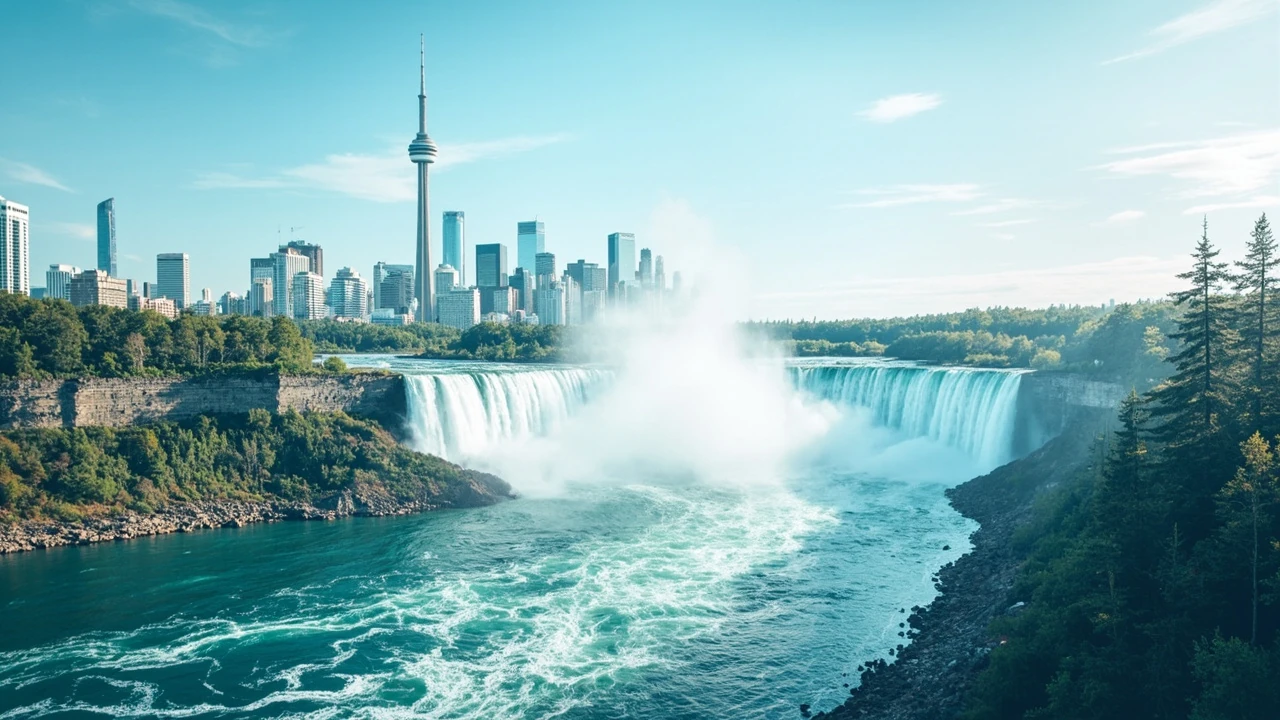
Ontario travel can mean a weekend focused on Toronto restaurants and neighborhoods, a scenic drive through northern forests, a family trip to Niagara Falls, or a border-crossing road trip toward Ottawa and Quebec. The province is large enough that the best route depends on your time, budget, season, and tolerance for long drives. This guide helps you choose the right destinations, build a realistic day-by-day plan, and prepare for the practical details that can make a Canadian trip smoother.
Ontario travel starts with choosing the right region
The most common planning mistake is treating Ontario as one destination. It is a province with distinct travel zones, and distances between major areas can be substantial. Toronto and Niagara Falls attract many first-time visitors, while Ottawa, the Bruce Peninsula, Muskoka, Kingston, and northern Ontario serve very different purposes. Before booking rooms, decide whether your priority is urban culture, outdoor recreation, historic towns, a road trip, or a combination.
For a short first visit, Toronto and Niagara Falls make a logical pair because they are close enough to combine without making the trip feel like a prolonged road journey. Ottawa is easier to pair with Kingston and the Thousand Islands region. Algonquin Provincial Park, Muskoka, and the Bruce Peninsula suit travelers who want slower days, scenic drives, and more time outdoors. Thunder Bay and other northern destinations reward travelers who are prepared for longer drives and changing weather.
| Travel style | Best places to consider | Main advantage | Planning consideration |
|---|---|---|---|
| City break | Toronto | Attractions, food, neighborhoods, museums, and entertainment | Hotel and restaurant costs can rise quickly in popular areas |
| Landmarks and a short escape | Niagara Falls, Niagara-on-the-Lake | Waterfalls, scenic drives, and nearby towns | Busy seasons require advance planning |
| Capital and history | Ottawa, Kingston | National institutions, historic districts, and river landscapes | Attraction hours and access details should be checked before visiting |
| Lakes and cottage country | Muskoka, Parry Sound | Boating, hiking, beaches, and quiet retreats | Seasonal services may be limited outside the main travel season |
| Outdoor exploration | Algonquin Provincial Park and northern routes | Wildlife, trails, and less developed scenery | Road conditions, fuel stops, and cell coverage need advance planning |
Ontario is also an official Canadian destination, so international travelers should treat border documents and entry rules as part of the itinerary rather than an afterthought. Requirements can apply differently to residents of different countries and to people crossing by air, road, train, or boat. Check the current information published by Canadian border and immigration authorities before departure, and allow extra time at busy crossings and transportation hubs.
How long should you spend in Ontario?
A three- or four-day visit works well for Toronto with a side trip to Niagara Falls. Five to seven days gives you room for Toronto, Niagara Falls, and either Ottawa or Kingston without turning every day into a long transfer. A week or more makes it easier to include a lake district, national park, or rural portion of the route. The best duration depends less on the number of sights on your list than on how many major stops you are willing to change locations for.
Think in travel days rather than simply counting nights. A flight from the United States may arrive in Toronto with most of a day usable, but the final stretch to a northern lodge or remote park entrance can consume several hours. Conversely, an evening flight home can be difficult after a long drive from Algonquin or Thunder Bay. A practical itinerary leaves some flexibility around arrival and departure.
- Three to four days: Toronto neighborhoods, the CN Tower area, major museums, and a day trip to Niagara Falls.
- Five to six days: Toronto, Niagara Falls, and Ottawa, using a car or connecting transportation.
- Seven to ten days: Add Kingston, the Thousand Islands, Muskoka, or a stay in Algonquin Provincial Park.
- Two weeks or more: Build a route between southern Ontario, lake country, northern forests, and western destinations such as Thunder Bay.
Flights are usually most convenient for Toronto and Ottawa. Driving becomes attractive when a road trip is part of the experience, especially when your hotel is outside a major transit hub. Trains and buses can cover important city-to-city and regional connections, although schedules are less frequent than in some European countries. Compare the total journey time, including transfers, before choosing a lower-priced option.
For travelers who want to compare Ontario with another large North American city rather than rushing between several stops, a neighborhood-by-neighborhood look at New York offers a useful parallel. The planning principles differ by scale, but both destinations reward advance booking and careful neighborhood selection.
Where to stay and when to book
Your base determines how much time you spend in transit. Toronto is the easiest place to stay without a car because trains, subways, streetcars, and taxis connect most visitor areas. Staying near a transit station can also reduce the friction of arriving with luggage. Niagara Falls, Ottawa, and smaller towns generally offer a wider range of lodging styles, including inns, motels, hotels, and vacation rentals.
The location of a rental property matters in towns where the visitor center and main attractions are separated by distance. A scenic lakefront address may sound ideal, but it can make a short visit inconvenient if there is no convenient restaurant, fuel station, or public transit nearby. In smaller communities, compare the map rather than relying on a street name or a neighborhood label.
- Choose a base with more than one reason to return. A neighborhood that works for dinner and museums is more useful than one that is merely close to the main attraction.
- Check travel time outside peak hours. A room can appear central online while sitting behind congested roads or rail lines.
- Confirm what the property includes. Parking, breakfast, local taxes, and cleaning fees can change the actual cost of a stay.
- Read recent reviews for practical details. Look for comments about noise, stairs, parking, shower pressure, and staff communication rather than searching only for the highest rating.
- Consider cancellation terms. Flexible rates can be valuable when border delays, flight changes, or weather may affect the schedule.
Travel to Toronto and popular Niagara Falls hotels is easiest to arrange ahead, particularly during summer events, weekends, and holiday periods. If you are traveling to a park, small lakeside community, or rural property, make sure the booking is actually available for the dates you need and ask about the final access road. Some remote properties have long check-in windows or limited on-site staffing.
Getting around Ontario by car, train, and plane
A rental car gives the greatest freedom for visiting waterfalls, provincial parks, small towns, and rural scenery. It also introduces parking fees, fuel stops, insurance decisions, and winter driving concerns. In Toronto, you can often leave the car parked and use public transit, which may be more convenient for a city-focused stay. In rural Ontario, the same transit network does not exist, so a car becomes much more useful.
Allow generous time for rural drives. A route that appears short on a map can include slower sections, weather delays, wildlife, construction, or long stretches without services. Fill the tank before leaving a larger town if the next fuel stop is uncertain. Download maps for offline use, but continue to obey posted signs rather than relying solely on a phone screen.
Ontario’s geography and regional organization are well summarized in the reference article on Ontario’s geography and administrative regions, which provides useful background for this point. It is useful background when comparing southern cities with the Canadian Shield, but final routing should come from current road and park information.
For For additional context, travelers who do not want to drive, Toronto has the strongest urban transportation network in the province. Ottawa also offers practical transit for central sightseeing. Intercity rail can be convenient for selected city pairs and scenic journeys, but availability and departure times should be checked for the exact date. A flight can save hours on a southern-to-northern trip, yet luggage, transfers, and rental cars at the airport can reduce the time saved.
| Transport choice | Best for | Advantages | Watch-outs |
|---|---|---|---|
| Rental car | Road trips, parks, waterfalls, and rural stays | Flexible stops and door-to-door convenience | Parking, insurance, winter conditions, fatigue, and fuel planning |
| Intercity train | Selected city-to-city and scenic journeys | Comfortable travel without driving | Limited schedules and station transfers |
| Intercity bus | Lower-cost regional travel | Can reach smaller communities | Longer travel times and fewer departure options |
| Local transit | Toronto and Ottawa sightseeing | Useful without a rental car | Service may not reach outlying attractions |
| Flight | Long distances within Canada | Fastest option for some routes | Airport transfers, baggage, and limited direct ground connections |
Choosing a season for Ontario travel
Summer offers the broadest selection of outdoor activities, but it also brings the largest crowds and the highest demand for lodging. Spring and fall can provide colorful scenery, thinner crowds, and more approachable prices, although weather can change quickly. Winter is a serious option for visitors interested in snow activities, urban winter events, or a quieter pace, but it requires attention to roads, footwear, and cancellations.
The right season depends on the itinerary. Toronto is easier to enjoy in mild weather, but its museums, restaurants, indoor attractions, and entertainment create useful winter alternatives. Niagara Falls can be spectacular in winter, although viewing conditions differ greatly from a summer scene. Algonquin and other northern parks have seasonal services and facilities, so confirm that the activities you care about are operating for your dates.
- Late spring: Good for walking tours, gardens, and fewer crowds, but trails and some seasonal attractions may still be opening.
- Summer: Best for boat trips, beaches, outdoor events, and long daylight hours; reserve lodging and major attractions early.
- Fall: Often attractive for foliage and fewer summer crowds, with a greater chance of rain and variable access to seasonal services.
- Winter: Best for snow sports, heated indoor attractions, and quieter stays, but road and weather planning are essential.
No season removes the need to check current conditions. Snow tires, trail closures, ferry schedules, wildfire restrictions, and storm warnings can affect an itinerary even when the forecast looks manageable. Keep a flexible alternative for each outdoor day and avoid making an essential connection immediately after a long rural drive.
Personal preparation also matters. The CDC’s Canada traveler health guidance advises travelers to review current health issues, discuss needed medicines or vaccines with a clinician, protect against insect bites during outdoor activities, and plan for access to medical care. Its guidance also notes that bites or scratches from animals require prompt attention because they can create health risks.
What Ontario travel costs and how to control the budget
The largest cost is often the pace of the itinerary rather than a single attraction. A road trip can look inexpensive on a map while becoming costly after fuel, tolls, parking, rental insurance, and overnight stops in peak destinations. A city break may have higher room rates but fewer repeated travel days. Compare complete trip costs instead of judging each leg in isolation.
| Budget category | Where costs can rise | Practical way to reduce spending |
|---|---|---|
| Accommodation | Toronto weekends, Niagara Falls, holidays, and summer events | Compare the full stay price, choose a transit-friendly base, and adjust the trip by one night when it creates savings |
| Transportation | Rental vehicles, airport transfers, tolls, fuel, and parking | Add the round-trip rental cost and parking before booking a car |
| Food | Restaurant meals near major attractions | Mix casual meals, groceries, and restaurants instead of planning every meal around a landmark |
| Attractions | Paid tours, boat trips, and bundled sightseeing passes | Choose activities that match your interests rather than buying a broad pass by default |
| Flexibility | Last-minute rooms, rideshare trips, weather changes, and rebooking | Keep a modest daily budget for disruptions and schedule less densely than the ideal itinerary |
A budget-friendly visitor can save by traveling outside the busiest weekend, staying slightly farther from the most expensive core, preparing some meals, and choosing one or two memorable paid activities rather than attempting every attraction. A premium traveler can still control costs by booking rooms early, using transit in Toronto, and avoiding unnecessary rental-car days. The key is to decide which parts of the trip deserve the additional expense before booking.
Travel insurance, medical coverage, and cancellation terms also belong in the budget. Read the exclusions, especially for winter sports, motorcycling, remote outdoor activities, and medical care. A policy that looks inexpensive may provide little coverage if the traveler assumes a Canadian hospital will handle an unexpected illness without payment. Verify coverage with the insurer rather than relying on assumptions.
For travelers combining Ontario with another country in North America, a longer itinerary does not have to mean a larger budget. this guide to notable landmarks in Ecuador illustrates a different landscape and currency environment, which can help with budgeting expectations before building a multi-country route.
Food, neighborhoods, and practical first-visit choices
Toronto is a good base for visitors who want variety in cuisine and neighborhood atmosphere. Markets, food halls, casual restaurants, and independent shops can be as rewarding as a formal checklist of attractions. For a quieter first day, choose one museum or neighborhood rather than trying to cover several distant sights. Fatigue from transit and constant packing can make a memorable trip feel rushed.
Outside the major cities, local restaurants may have limited hours and fewer late-night options. Eat a substantial meal before traveling through rural areas in the evening. If you have dietary restrictions, call ahead when a restaurant’s online menu does not explain ingredients. The same careful approach applies to transportation: rural bus service may end earlier than you expect.
- Toronto: Group neighborhoods into areas for the day and use transit to connect them.
- Niagara Falls and Niagara-on-the-Lake: Treat them as two different experiences, one centered on the falls and the other on a smaller-town visit.
- Ottawa: Use the river and central districts as a base for museums, national institutions, and walkable meals.
- Kingston and the Thousand Islands: Plan for slow travel between waterfront communities rather than rushing along the highway.
- Muskoka and the Bruce Peninsula: Choose the activities that require a car, such as coves and longer hikes, rather than duplicating urban sightseeing.
Weather and seasonality also shape what is available. Restaurants, boat operators, galleries, and visitor centers may change their hours outside peak months. A reasonable approach is to identify two or three anchor experiences, then build the rest of the day around nearby options. That way, a canceled boat trip does not consume an entire day.
Travelers who like structured sightseeing can use timed reservations to prevent avoidable lines, but an overly rigid schedule leaves no room for local recommendations. Leave at least one unplanned block in each multi-day trip. It may become the market, neighborhood café, lakeside path, or roadside overlook that was not on the original list.
Safety, documents, and preparation for rural routes
Most visitors can prepare by following ordinary travel precautions: securing valuables, watching belongings in crowded areas, staying alert around unfamiliar transit stops, and avoiding isolated places when conditions are poor. The Canadian border process deserves separate attention. Carry the documents required for your citizenship and mode of travel, and verify any visa, passport, or admissibility requirements with official authorities before departure.
For outdoor routes, weather can change the difficulty of a trip. Carry water, extra layers, navigation tools, and supplies appropriate for the activity. Tell someone your route if you are entering a remote area. Do not approach wildlife, and remember that insect protection is relevant in wooded and grassy areas. The CDC guidance for Canada specifically highlights bite prevention and the need to seek care after an animal bite or scratch.
- Before leaving: Check passport validity, entry requirements, weather, road conditions, park closures, and attraction hours.
- While packing: Include a weather layer, sturdy footwear, water, medications, copies of essential documents, and a portable charger.
- While driving: Slow down for wildlife, avoid fatigue, and do not continue through a dangerous road condition simply to keep a reservation on schedule.
- Before outdoor activity: Check fire bans, trail notices, water conditions, weather alerts, and available services.
- During an emergency: Contact local emergency services and provide your location as accurately as possible.
Travel insurance should reflect the activities included in the trip. Standard medical coverage may not be the same as coverage for a guided wilderness trip, a snowmobile excursion, or a serious injury requiring an air evacuation. Ask what the policy covers, what documentation you need, and how the insurer expects you to seek medical care. Health advice should also come from a qualified clinician who understands your medical history.
Finally, protect the trip from avoidable stress. Download offline maps, photograph your travel documents, save accommodation details, and keep a printed copy of essential confirmations. These steps are especially useful when a rural route has weak reception. They also make it easier to focus on the experience rather than continuously checking whether the next connection is still running.
Frequently asked questions
What is the best time to visit Ontario?
Summer provides the widest range of outdoor activities and the longest daylight hours, but accommodation and popular attractions are also busier. Spring and fall can offer fewer crowds and attractive scenery, while winter suits travelers interested in snow sports or indoor city attractions. Check seasonal operating schedules before choosing a month, especially for parks, boat tours, and small-town services.
Is Toronto worth visiting for a first trip to Ontario?
Yes. Toronto offers major cultural attractions, distinctive neighborhoods, varied food, and convenient public transportation. It is especially practical as a first stop if you also want to reach Niagara Falls. Staying entirely in the city works for travelers focused on dining, museums, shopping, and urban sightseeing rather than scenic road travel.
Do you need a rental car to travel in Ontario?
Not for a Toronto-only trip because public transit covers most central visitor areas. A car is useful for Niagara Falls, rural towns, lakeside communities, and northern parks. It also becomes important when you want flexibility or carry outdoor equipment. Compare the rental price, fuel, tolls, parking, and insurance before deciding.
How long does it take to drive from Toronto to Niagara Falls?
The drive can take roughly two hours under favorable conditions, but traffic, construction, weather, and border delays can extend it. Do not schedule a border crossing immediately before a timed attraction with little margin. If you need to be at a Niagara Falls viewpoint early in the morning, staying in the area the previous night may produce a calmer experience.
Is Niagara Falls better in summer or winter?
Summer offers clearer views, boat experiences, surrounding trails, and a wider range of open-air activities. Winter can be dramatic, with ice formations and a different visual character, but some viewpoints may be affected by conditions and cold exposure. Both seasons can be worthwhile; choose based on the activities you value rather than expecting one version of the falls to suit every traveler.
Can I visit Algonquin Provincial Park without extensive hiking experience?
Yes, because the park provides options at different activity levels, including shorter walks and scenic drives. Trail conditions, access points, and seasonal facilities vary, and some roads are not maintained through winter. Bring appropriate supplies, check current access information, and avoid entering a longer trail unless you are prepared for its length and conditions.
What documents do U.S. travelers need for Ontario?
Most U.S. citizens need a valid passport for entry to Canada, but requirements can differ for other nationalities and circumstances. Confirm current entry and admissibility rules with official Canadian authorities before departure. Keep the required document accessible during the border process and allow extra time during busy travel periods.
Is public transportation practical between Ontario cities?
It works for selected routes, especially where train or bus schedules align with the itinerary, but it is less flexible than driving. Smaller communities may have fewer departures, and schedules can be limited outside the travel season. If a destination lacks dependable service, shifting one night from a major city to a nearby town can prevent an exhausting transfer.
What should I pack for a family trip to Ontario?
Pack layers, comfortable footwear, weather protection, snacks, and any child-specific items needed for the planned activities. Carry a change of clothes after water parks, splash attractions, or boating trips. In Toronto and Ottawa, transit and walking are easy, but in rural areas a car makes snacks, rest stops, and spare clothing more convenient.
What is the most common mistake in planning an Ontario itinerary?
The most common mistake is trying to combine distant regions without enough time for the road. Ontario looks compact on a map, but a drive from Niagara Falls to northern Ontario is not a casual detour. Choose two or three anchors, add travel days, and keep one flexible period so the trip remains enjoyable even if a border crossing, weather system, or delayed activity changes the schedule.
Leave a Reply