
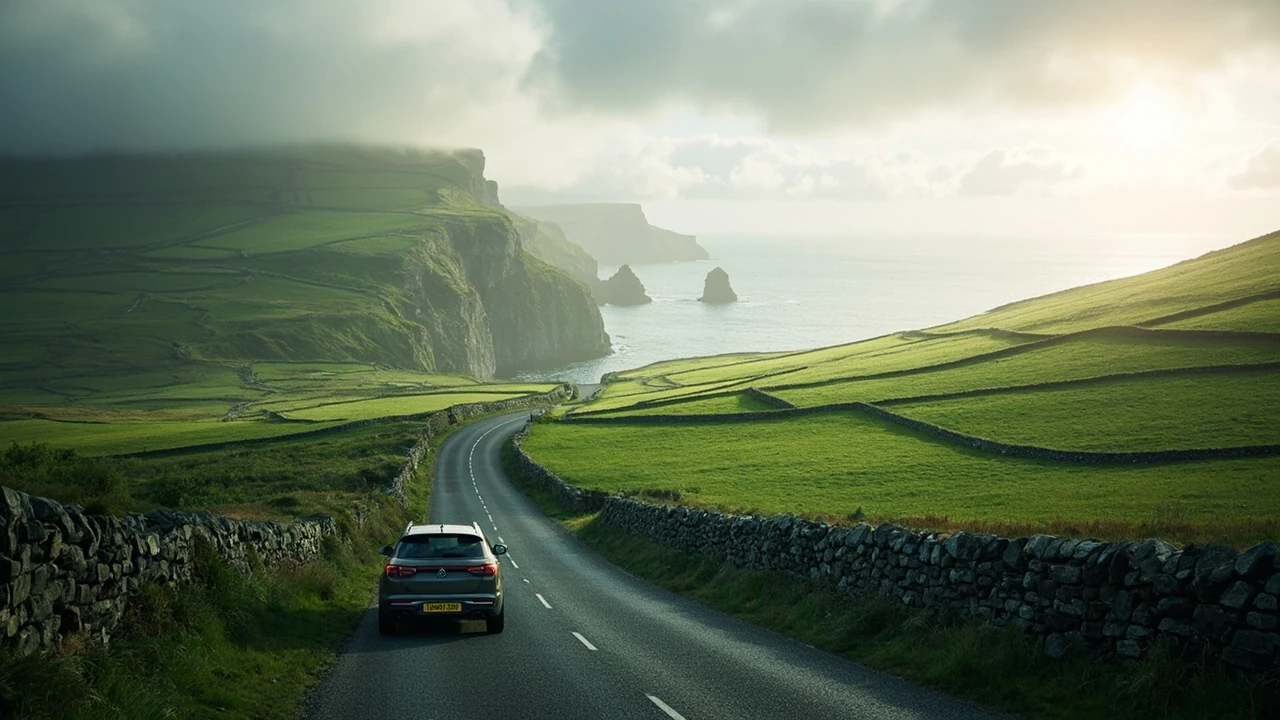
A trip to Ireland can feel completely different depending on when you arrive: spring brings green landscapes and longer days, summer offers the warmest weather but busier roads, autumn brings sharper light and quieter trails, and winter has its own appeal for festive towns and storm-watching. The best choice depends on whether you prioritize hiking, coastal scenery, city culture, road trips, or fewer crowds. When is the best time to visit Ireland? There is no single answer, but most travelers find May through September easiest for sightseeing, while April, October, and winter suit travelers who value atmosphere and flexibility over predictable weather.
When is the best time to visit Ireland?
For most first-time visitors, May, June, and September offer the strongest balance of usable daylight, relatively moderate weather, and easier travel planning. May tends to feel fresh and green, with a good mix of active days and occasional wet spells. June and September generally suit travelers who want outdoor attractions and evening walks without the heaviest midsummer rush. July and August make the warmest and brightest touring season, but they also bring longer queues, higher demand for rental cars and accommodation, and more crowded popular trails.
Weather is never guaranteed in Ireland, so the best month is not simply the month with the highest average temperature. Atlantic weather can produce bright mornings followed by showers, and a coastal wind can make a mild day feel colder. A better strategy is to choose the season that matches your priorities, then build some flexibility into the itinerary. If you are planning a hiking trip, seek clear days rather than simply choosing July. If your priority is Dublin museums, restaurants, and entertainment, weekdays in the shoulder season can be especially comfortable.
| Period | Typical travel experience | Best for | Main drawback |
|---|---|---|---|
| March to April | Cooler, changeable weather with a noticeable increase in daylight and spring color | Gardens, quiet roads, photography, fewer crowds, and flexible rural lodging | Some seasonal attractions may not be open; showers can interrupt outdoor plans |
| May | Longer days, fresh countryside, and a fuller range of attractions operating | First visits, hiking, coastal routes, and balanced sightseeing | Popular accommodation in Dublin and western Ireland starts to fill |
| June | Longer daylight, a livelier event calendar, and generally favorable touring conditions | Road trips, festivals, outdoor attractions, and combining cities with nature | Demand rises sharply during school holidays and major events |
| July and August | Warmest and brightest period, with the longest evenings | Families, first-time visitors, swimmers, and travelers who want the broadest activity calendar | Peak crowds, traffic, accommodation pressure, and popular-path congestion |
| September | Often milder and calmer than midsummer, with good daylight and a quieter feel | Scenic touring, photography, walking, and lower pressure at popular sites | Availability decreases late in the month; weather becomes less predictable |
| October to November | Autumn color, atmospheric landscapes, and a strong sense of local indoor culture | Quiet road trips, food-focused trips, museums, pubs, and moody coastal scenery | Shorter days, rain, wind, and possible disruption to seasonal services |
| December to February | Cool, atmospheric, and often festive, though daylight is limited | Christmas markets, winter city breaks, quieter cultural stays, and dramatic Atlantic scenery | Cold-weather conditions, limited daylight, storms, and reduced opening hours |
Choosing the best month for your priorities
Start with the activities you would be disappointed to miss. Ireland is compact enough for a road trip, but the weather, road conditions, daylight, and crowd levels change across the seasons. A traveler who wants to walk the Kerry Way, visit the Cliffs of Moher, explore Connemara, and drive the Wild Atlantic Way has different priorities from someone who wants a Dublin food weekend.
For the most balanced touring experience
May and September are often the most versatile choices. The landscape is fully accessible, many attractions are operating, and daylight is long enough for a full driving day. They also offer a useful compromise between summer’s activity and the quieter atmosphere of autumn. Early September can be especially good for travelers who want summer-like evening light but dislike peak-season queues.
For the warmest weather and longest days
July and August offer the strongest case for choosing midsummer. Even after a cloudy afternoon, the extended daylight can turn a drive or walk into a more rewarding experience. Coastal temperatures may feel mild, particularly in bright weather, and villages are busy with visitors. Accommodation in Kerry, Galway, the Burren, and Connemara may be limited if you book late, so early reservations remain sensible.
For quieter landscapes
April and October can feel more relaxed. Spring brings hedges and flowers into the countryside, while autumn introduces gold, rust, and deep green tones. These months are attractive for photographers and for visitors who prefer local cafes and small towns to large tour groups. The trade-off is that some seasonal businesses and guided activities operate on reduced schedules, so check opening details before finalizing the trip.
For winter atmosphere
December through February rewards travelers with an interest in seasonal events, cozy pubs, galleries, and dramatic coastal weather rather than long outdoor itineraries. Dublin has a substantial indoor and cultural calendar, and towns often decorate their centers for the holiday period. Winter is less suitable if your main goal is long hikes or reliable access to remote coastal roads.
- Choose May: for a balanced first trip with spring scenery, reasonable activity access, and fewer peak-season crowds.
- Choose June: for longer days and a lively calendar, while avoiding the largest part of the summer travel wave.
- Choose September: for comfortable touring, autumn’s early colors, and a calmer atmosphere at popular attractions.
- Choose October: for atmospheric landscapes, quieter roads, and travelers who prefer culture over an ambitious outdoor checklist.
- Choose December or January: for festive city breaks and winter scenery, with the expectation of short days and unsettled weather.
Where to go in each season
The season affects the country unevenly. The east coast around Dublin tends to have a more sheltered feel than the exposed Atlantic side, while the west can be dramatically wetter and windier. Mountains, boglands, and coastal paths become less inviting in bad weather, but they also become quieter in the off-season. Rather than choosing a single destination for everyone, match the location to the conditions you can comfortably enjoy.
| Region | Best seasonal strengths | Conditions to consider | Typical travel style |
|---|---|---|---|
| Dublin and the east | Museums, architecture, restaurants, coastal walks, and easy access from the city | Wet days are common, but major attractions and transport remain practical | City break, rainy-day itinerary, or a base for a short road trip |
| Wicklow | Green trails, forest paths, coastal scenery, and easy day trips from Dublin | Exposed uplands and trails can be slippery or windy | Day hiking, scenic driving, and a nature-focused extension |
| Galway and Connemara | Music, colorful villages, rocky coastlines, and spring or autumn photography | Atlantic showers arrive quickly, and rural weather can change quickly | Road trip with flexible outdoor stops and village bases |
| Kerry and Killarney | Mountains, lakes, coastal routes, hiking, and long summer daylight | Popular roads and trails are busiest in July and August | Scenic loop, national park stay, and multi-day road trip |
| The Burren and the Cliffs of Moher | Spring wildflowers, open limestone landscapes, and Atlantic views | Exposure to sun and rain; wind can be strong near the cliffs | Self-driving with flexible stops and an outdoor layer |
| Donegal and the northwest | Wild scenery, coastal roads, mountain views, and quieter exploration | Longer road distances and limited services outside towns | Slow road trip, photography, and nature accommodation |
| Dublin and Portrush-area coast | Urban sightseeing combined with Causeway Coast scenery and Northern Ireland day trips | Peak-season traffic and accommodation demand around major attractions | Flexible northern route with a mix of city and coast |
Dublin works in almost every season because museums, galleries, theaters, shops, and restaurants reduce the impact of poor weather. It is also the easiest place to build a short trip around a single base. By contrast, the Wild Atlantic Way is most rewarding when you can stop freely for long walks, roadside viewpoints, and small settlements. A sunny day is not a prerequisite, but comfortable clothing and a willingness to continue after a shower make a huge difference.
How weather and daylight affect your itinerary
Ireland’s climate is oceanic, which means mild temperatures in many months but frequent changes in cloud, wind, and rain. Rain is not unusual anywhere, and an umbrella alone may not be enough in exposed locations. Wind drives the feeling of cold more than the thermometer does, especially along the Atlantic coast, on ferries, and on elevated walking routes.
Daylight also changes the shape of the day. Summer evenings remain bright well into dinner, allowing you to explore after a meal or photograph coastal scenery late in the day. In winter, the usable daylight window is shorter, so an ambitious schedule can feel rushed. If your priorities include photography, hiking, or scenic driving, plan fewer stops per day and preserve time for weather rather than treating every hour as a slot to fill.
- Keep compact rain layers in your luggage, even during a sunny-looking season.
- Choose shoes with grip for wet pavement, grass, rock, and slippery trails.
- Pack a wind-resistant jacket for the coast, especially between late autumn and early spring.
- Use layered clothing rather than one heavy outfit, because indoor heating and outdoor temperatures can differ sharply.
- Check daylight and sunset times for your specific dates before booking late activities or long drives.
| Situation | How to adjust the plan | Why it helps |
|---|---|---|
| A wet morning in summer | Move the walk, boat trip, or viewpoint to the afternoon or the following day | Protects the sightseeing day without wasting the better weather |
| A bright but windy coastal day | Continue with short viewpoints, sheltered beaches, or a nearby town | Allows outdoor time without forcing an exposed hike |
| Several rainy days in winter | Build a Dublin or Galway city break with galleries, shops, and dining | Keeps the trip satisfying even when the weather limits travel |
| One exceptional weather day | Save a hike, scenic drive, or coastal walk for that day | Improves the experience and reduces frustration over missed scenery |
| A late arrival or early departure | Base yourself in Dublin and schedule nearby activities | Removes the need for rushed airport transfers on travel days |
The best approach is to separate must-do activities from optional ones. A long hike, a ferry crossing, and a drive along a narrow coastal road may all depend on conditions. Museums, food experiences, and city walks provide a reliable fallback. A flexible itinerary is not a sign of poor planning; in Ireland, it is often the difference between a stressful trip and a rewarding one.
Planning a seasonal road trip
A road trip is one of the easiest ways to take advantage of Ireland’s compact scale, but popular routes become busy in July and August. A self-drive trip in May, June, or September often feels calmer, with more flexibility when you find a place worth extending by a night. Winter driving demands more attention because of storms, low light, standing water, and occasional road restrictions on exposed or elevated routes.
Choose your direction according to the landscape you care about rather than trying to fit every highlight into a short trip. The southern and western routes combine Kerry’s mountains, the Burren, Galway, Connemara, and some of the most exposed Atlantic scenery. The northern route offers more time outdoors, extensive coastlines, and the dramatic landscape of Donegal. A shorter loop around Dublin can still feel rewarding when the plan includes Wicklow and the Wicklow Mountains.
A historical view of Irish travel offers an interesting contrast with modern road touring. The For additional context, account of Edward VII’s 1903 royal visit to Ireland describes a journey by carriage, motorcar, and royal yacht that included Dublin, Belfast, Derry, Connemara, and Cork. The modern traveler has a far easier network, yet the same principle remains: the most memorable routes connect towns with landscapes rather than rush from one famous viewpoint to the next.
- Set a daily limit: allow two or three substantial stops, not a checklist of every attraction along the route.
- Reserve the first night: arrive after a flight, recover from jet lag, and explore the area the next morning.
- Leave one open night: an unplanned night allows for weather, a spontaneous detour, or a longer stay in a favorite town.
- Watch the sunset time: in summer, late finishes are possible; in winter, aim to reach your lodging before darkness.
- Use local information for road details: temporary closures, coastal conditions, and seasonal restrictions can affect remote routes.
Automatic cars can be convenient for travelers who are used to them, but a smaller vehicle makes narrow lanes, parking areas, and older town centers easier to navigate. Irish roads are generally good, yet some rural lanes are narrower than visitors expect. Allow more time than the distance suggests, especially when you want to stop for photographs. A two-hour journey with several viewpoints can take much longer than a map estimate.
Events, crowds, and the practical cost of timing
The cheapest month is rarely the same for everyone. Flight and ferry schedules differ by origin, while accommodation prices respond to local demand. In Dublin, large conventions, sporting events, concerts, and holiday weekends can sharply reduce availability. In rural areas, a popular walking route, wedding season, or annual festival may have more impact than national school holidays.
July and August generally have the greatest demand, particularly for self-driving trips and accommodation in Kerry, Galway, Donegal, and County Clare. May and September often offer more balance. Early in the week can be quieter than Friday and Saturday in busy towns, and traveling outside major holiday periods can reduce both traffic and room prices. If your dates are fixed, compare the cost of a city base with a rural stay rather than assuming one side of the country is always cheaper.
Major cultural events also shape availability. Dublin hosts an extensive calendar of literature, theater, music, and comedy events, while smaller towns host festivals that reflect local traditions and community life. Specific dates and schedules change, so confirm current details directly with organizers before booking travel around an event. The same advice applies to accommodation: a sold-out festival can affect nearby towns even when hotels farther away remain open.
- For the lowest stress: travel in May or September and reserve weekends in advance.
- For the broadest choice: travel in June or early July, but book accommodation and popular road-trip vehicles early.
- For local festivals: identify the event first, then check transport and lodging before fixing the rest of the route.
- For winter city breaks: choose a central hotel and add a coastal drive or nearby hiking day only if conditions allow.
- For families: compare June and September with the July-August peak, accounting for school holidays and available facilities.
Sample itineraries for different seasons
A season becomes easier to recommend when it is connected to a realistic itinerary. The following plans are starting points rather than fixed schedules. Adjust them to match your arrival point, preferred pace, and tolerance for changeable weather.
Spring in May: Dublin, Connemara, and Kerry
Begin with two days in Dublin for the National Museum, Trinity College, the Book of Kells Experience, neighborhood walks, and an evening meal. Move west to Galway, use it as a base for Connemara, and continue south toward the Burren, Cliffs of Moher, and Kerry. May usually offers comfortable walking conditions with some wet days. Leave space around Killarney and the Kerry Way so a clear day can improve the route.
Summer in June: Atlantic highlights with flexible weather days
Visit Dublin and Kilkenny or another accessible heritage town, then drive through Waterford and the Copper Coast toward Dingle and Killarney. Continue north through the Burren, Galway, and Connemara if time allows. June provides long days and a lively atmosphere, but the itinerary should still avoid scheduling every major attraction in a fixed two-day window.
Autumn in September: A slower western loop
Use Dublin as a starting point, then choose either a western circuit through Kildare, Kilkenny, Galway, Connemara, and Kerry or a shorter route to Kilkenny, the Wicklow Mountains, and the east coast. September can provide soft light, less traffic, and changing scenery as the season advances. A landowner or guide may have more flexibility after summer, but verify what remains open for the specific dates.
Winter in Dublin: Culture, dining, and a day-trip buffer
Use a central Dublin hotel as a base for museums, galleries, theaters, shops, and restaurants. Add a day to Kilkenny or Wicklow if the weather is clear. Plan fewer driving commitments around the holiday period, and treat major attractions as options rather than mandatory stops. This approach makes a short winter trip comfortable even if one or two days are dominated by rain.
| Season | Suggested length | Best route style | Planning priority |
|---|---|---|---|
| Spring | 7 to 10 days | Dublin to the west coast, with hiking days | Check which seasonal attractions and facilities have opened |
| Summer | 7 to 12 days | Longer road loops and a busy coastal itinerary | Reserve lodging and cars well ahead |
| Autumn | 5 to 9 days | A slower circuit with photography and food stops | Keep driving days flexible as services reduce |
| Winter | 3 to 6 days | City base with short regional excursions | Prioritize short daylight and indoor alternatives |
What to pack for Ireland’s changeable weather
Packing for Ireland is less about extreme cold and more about being prepared for wind, moisture, and temperature differences. Even during summer, a traveler can experience sun at lunch and a damp, breezy evening by the coast. A compact layering system is more useful than a single heavy coat or a large suitcase full of similar clothing.
| Item or category | When it matters | Practical guidance |
|---|---|---|
| Waterproof jacket | Year-round, especially in western districts | Choose a hooded, wind-resistant shell that can fit over layers |
| Walking shoes | Trails, cobblestones, rural paths, and city walks | Prioritize grip and comfort over a completely smooth sole |
| Layers | Cool mornings, warm afternoons, heated interiors | Pack pieces that can be removed and added easily |
| Compact umbrella | Light rain in towns and city sightseeing | Useful, but not a replacement for a hood in strong wind |
| Sun protection | Unusually bright days, especially near the coast | Carry sunscreen and sunglasses even if the forecast starts cloudy |
| Waterproof bag or cover | Walks, cycling, and coastal outings | Protect a phone, documents, and camera during sustained rain |
| Insulated layer | Autumn, winter, and exposed high ground | Useful for waiting for a bus or watching the weather near the coast |
Official-looking walking routes can still be rough after rain, especially on stone, mud, or exposed ground. If a hike is important to the trip, check the route description, current local conditions, and transport options before setting out. Keep at least one half-day alternative in the same area so poor conditions do not consume the entire excursion.
How to make the final decision
Choose your dates by ranking three factors: the activities that matter most, the crowd level you can tolerate, and your tolerance for unpredictable weather. If your list contains many outdoor experiences, May through September offers the strongest combination of daylight and accessibility. If your list centers on Dublin culture, dining, and holiday atmosphere, winter becomes much more competitive. For a road trip where scenery and spontaneity matter, late May or September may be more rewarding than the busiest summer weeks.
Before booking, use this practical sequence:
- Check the event calendar for the cities and regions on your route.
- Compare midweek and weekend lodging availability in your preferred bases.
- Confirm the operating season of remote attractions, boat tours, and seasonal activities.
- Plan two or three weather-dependent days so they can move around the itinerary.
- Allow enough time between ferry arrivals, flights, and the first overnight stop.
- Review driving conditions for the specific season rather than assuming the route will remain open.
For a guide to how a concise destination overview can organize what to see, eat, and avoid, compare the Genoa travel guide for what to see, eat, and skip. If you prefer a direct introduction to a city with strong local districts and cultural contrasts, the straight-talk guide to São Paulo for first-time visitors offers another useful example of prioritizing neighborhoods and local context.
Frequently asked questions
What is the best month to visit Ireland for good weather?
June and September often provide the most balanced combination of mild conditions, long daylight, and a full range of attractions. July and August are generally warmer, but they also bring more crowds. No month offers guaranteed dry weather, so outdoor travelers should keep flexible days and pack waterproof layers.
Is May a good time to visit Ireland?
Yes. May is one of the strongest choices for a first visit because spring scenery is at its freshest, daylight is extending, and most seasonal attractions are operating. It is also usually less crowded than the height of summer. Popular accommodation, especially in Dublin, Kerry, Galway, and the west coast, should still be booked early.
Is July or August the best time for a road trip?
July and August offer the longest days and the warmest-looking weather, making them convenient for sightseeing and outdoor stops. They are also the busiest driving months, so expect heavier traffic, less availability, and more competition for rental vehicles. May, June, or September may provide a calmer road-trip experience if flexible dates are possible.
Can I visit Ireland in winter?
Absolutely. Winter works well for Dublin’s museums, restaurants, theaters, galleries, and seasonal city events. It is less convenient for long hikes and remote coastal touring because of shorter daylight, wind, storms, and possible road conditions. A central city base with flexible day trips is usually more comfortable than a fast winter circuit.
What is the best time to visit Ireland for hiking?
May through September provides the widest range of practical hiking conditions, although weather can affect any exposed route at any time. June and September are especially attractive for hikers who want a good balance of daylight and trail traffic. Check local trail conditions, transport links, and the forecast for each specific day rather than relying on the monthly average.
Which part of Ireland has the best weather?
Ireland’s east and southeast tend to be more sheltered than the exposed Atlantic coast, but conditions vary throughout the country. The south and east are also more practical for travelers who want a car-free city break or easy access to cultural sites. Even within a short drive, wind and rainfall can change, so no region should be treated as weather-proof.
How many days do I need to visit Ireland?
Five days is enough for a focused Dublin visit, while seven to ten days allows a Dublin-and-west-coast road trip with several outdoor stops. Two weeks provide room for a slower route, both coasts, or a mix of city time and rural accommodation. Add at least one spare half-day or overnight stop so weather does not force the entire itinerary to shift.
Is September a good time to visit Ireland?
September is often one of the best all-around choices. Days can remain comfortably long, the summer crowds begin to ease, and the landscape starts to show autumn color. Late-September availability can decline, and weather becomes less dependable as autumn advances, but early and mid-September are well suited to sightseeing and road touring.
What should I pack for an Irish road trip?
Pack a waterproof, wind-resistant jacket, comfortable shoes with good grip, layered clothing, a compact umbrella, and sun protection. Keep one lighter rain layer accessible inside the car. In winter, add an insulated layer for cold coastal waits and exposed viewpoints. Footwear and flexible clothing are more useful than one heavy coat.
Should I rent a car in Ireland?
A rental car is useful for reaching coastal scenery, hiking areas, and smaller towns, particularly from Dublin. It is less necessary for a city-only stay, and urban centers offer public transportation and walking. If you drive, allow more time than the mileage suggests, choose a vehicle that suits narrow rural roads, and avoid planning overly tight connections around weather-sensitive travel days.
Leave a Reply